

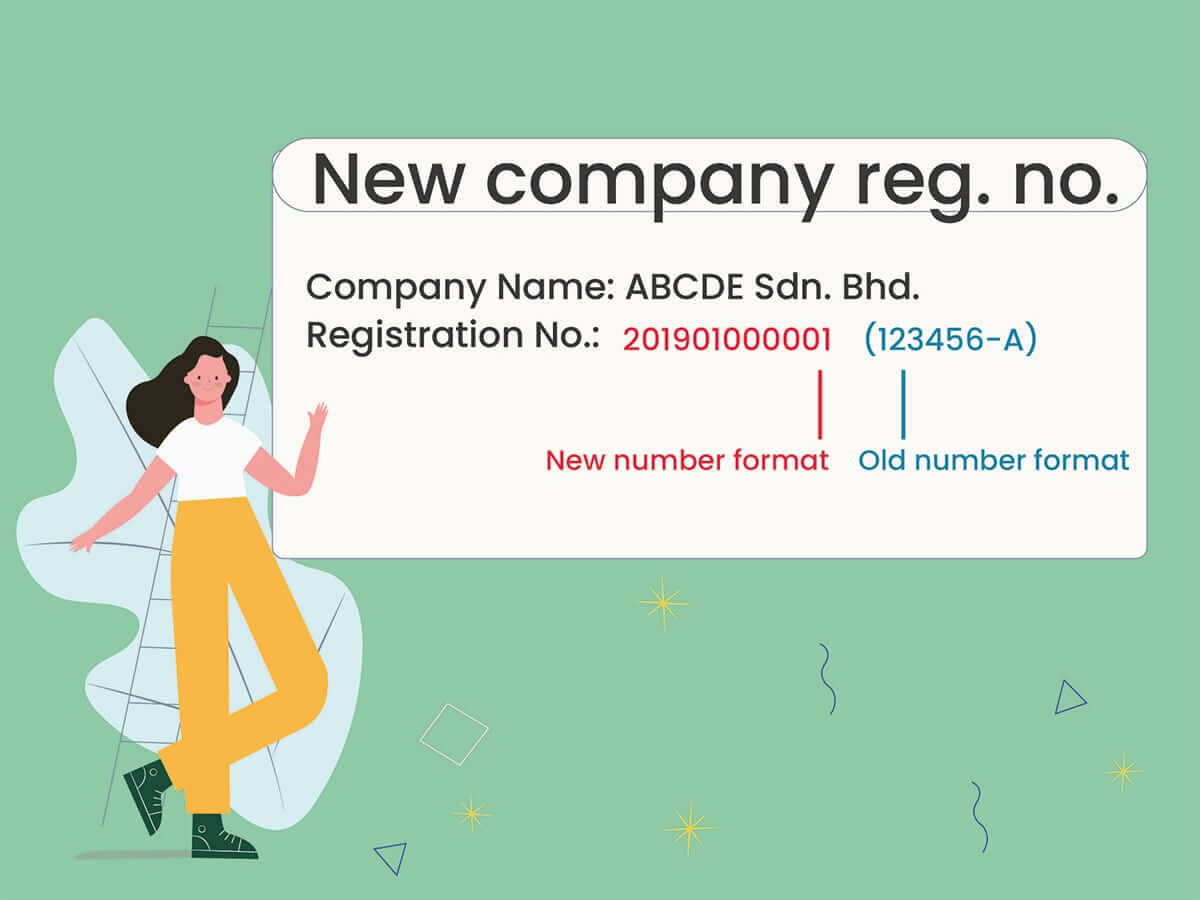
Introduction to Registered Company Numbers
Every business in the UK, big or small, has a unique identifier that sets it apart from others: the registered company number. But what exactly is a What Is a Registered Company Number? It’s more than just a string of digits; it’s an essential part of your company’s identity and legal standing. If you’re venturing into entrepreneurship or already running a business, understanding this term could be crucial for your success.
Having a registered company number not only legitimizes your operations but also opens doors to new opportunities and protections. In this blog post, we’ll delve deeper into why every UK business needs one and how to obtain it. Whether you’re considering launching a startup or looking to streamline an existing operation, knowing about registered company numbers can save you time and headaches down the road. Let’s get started on unraveling the significance behind this vital component of doing business in the UK!
Why Every UK Business Needs a Registered Company Number
A registered company number is essential for every UK business. It serves as a unique identifier, distinguishing your company from others in the corporate landscape. This number is vital for legal recognition and credibility.
Having this registration means you are officially recognized by Companies House. It signals to clients, suppliers, and partners that you operate within the law.
Moreover, it enhances trustworthiness. Potential customers often check a business’s legitimacy before engaging with them. A registered company number can help reassure them of your professionalism.
It also plays a crucial role in financial transactions. Banks typically require this number when setting up accounts or applying for loans. Without it, securing funding can become significantly more challenging.
In essence, it’s not just about compliance; it’s about fostering growth and establishing a reputable brand presence in today’s competitive market.
How to Obtain a Registered Company Number
Obtaining a registered company number is a straightforward process. First, you need to choose your business structure—be it a limited company, partnership, or sole trader.
Once you’ve made that decision, the next step is to register with Companies House. This involves completing the necessary forms and providing details about your business activities and directors.
You can apply online for most types of companies. The application typically includes information such as your company name and address.
There’s also an option for paper applications if you prefer traditional methods. Just be aware that this may take longer to process.
A small fee is usually required at this stage, which varies depending on how quickly you want your registration completed. After submission, you’ll receive confirmation along with your unique registered company number once approved.
Benefits of Having a Registered Company Number
A registered company number provides legitimacy to your business. It signals to clients and suppliers that you are a recognized entity. This can enhance trust, making it easier for customers to engage with your services or products.
Having this number also simplifies administrative processes. Many banks require a registered company number when setting up business accounts. This streamlines your financial management from the outset.
Additionally, it allows for better compliance with legal obligations. Registered companies must file annual returns and financial statements. Meeting these requirements keeps you in good standing with Companies House.
Another benefit is access to government grants and funding opportunities, which often favor established businesses with proper registration.
A registered company number can help protect your brand identity by ensuring no one else can legally operate under the same name within the UK.
Potential Risks of Not Having a Registered Company Number
Operating without a registered company number can expose your business to significant risks. First and foremost, you may face legal challenges. Without proper registration, your business lacks official recognition, leading to difficulties in enforcing contracts or resolving disputes.
Additionally, financial institutions often require a registered company number for opening bank accounts or securing loans. This limitation can hinder growth opportunities and access to essential funding.
Moreover, unregistered businesses are at risk of penalties from regulatory authorities. Fines might accumulate if compliance with UK laws is not met due to the absence of this crucial identifier.
Credibility takes a hit when operating outside the framework of regulation. Customers and partners may hesitate to engage with an unregistered entity perceived as less trustworthy or professional. The long-term impact on reputation could prove detrimental in competitive markets.
Maintaining and Updating Your Registered Company Number
Maintaining your registered company number is crucial for compliance and transparency. It reflects the current status of your business in official records.
Updating this information promptly is essential when there are changes. Whether it’s a shift in address, directors, or share structure, timely updates ensure that stakeholders have accurate details about your company.
Failure to maintain updated records can lead to penalties or legal issues. Regularly reviewing your company’s filings reinforces good governance practices.
Utilize online tools provided by Companies House to monitor any necessary updates easily. Keeping an eye on deadlines helps you avoid unnecessary complications down the line.
Developing a routine check-up schedule for these updates can save time and stress later on. Being proactive demonstrates professionalism and strengthens trust with clients and partners alike.
Conclusion
A registered company number is more than just a series of digits. It signifies your business’s legitimacy and adherence to UK regulations. Whether you’re a startup or an established enterprise, having this number is crucial for credibility and compliance.
Navigating the complexities of business can be challenging, but obtaining a registered company number simplifies many aspects. It enhances trust with customers and suppliers while providing essential protections under the law.
The benefits extend far beyond mere registration. With a registered company number, you gain access to financing opportunities, tax schemes, and potential partnerships that may not be available to unregistered entities. This single identifier opens doors that could otherwise remain closed.
On the flip side, neglecting to secure this vital piece of information poses significant risks. Without it, your operations might face legal challenges or restrictions that could jeopardize growth.
Maintaining accurate records associated with your registered company number ensures ongoing compliance with regulatory requirements as your business evolves over time.
Understanding what a registered company number means for your venture is important in today’s competitive landscape.














Leave a comment