

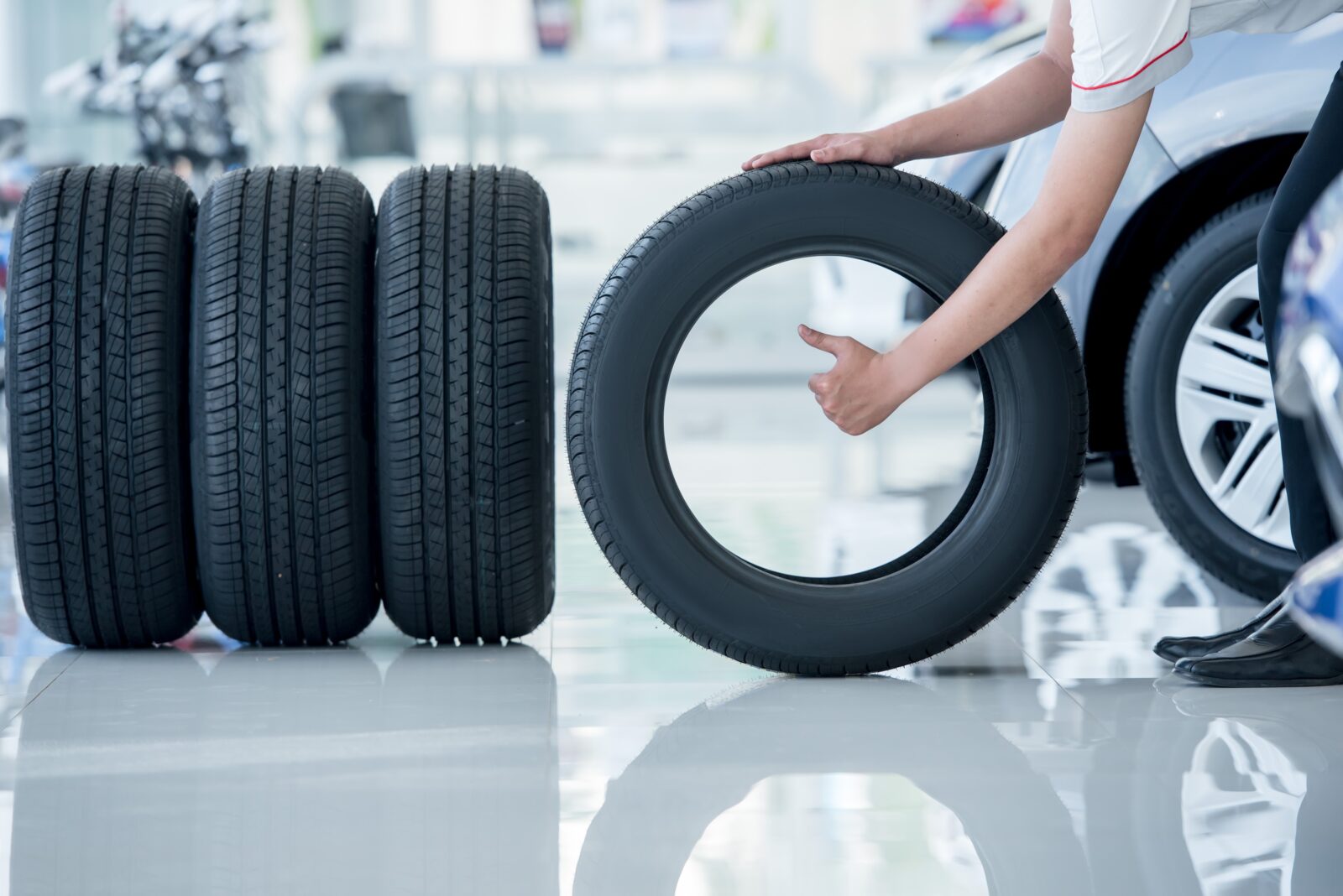
Introduction to Low Pressure Tires
Every driver knows that tires are essential to a vehicle’s performance. But what happens when those tires aren’t properly inflated? Low pressure tires can sneak up on you, often becoming an overlooked aspect of vehicle maintenance. Unfortunately, this oversight carries significant consequences for both safety and fuel efficiency.
Imagine cruising down the highway with ease, only to find out later that your under-inflated tires could have put you at risk. As we delve into the world of low pressure tires, you’ll discover how they impact not just your journey but also your wallet. Let’s explore why keeping an eye on tire pressure is crucial for every motorist.
The Importance of Proper Tire Pressure
Maintaining proper tire pressure is crucial for your vehicle’s performance. Tires that are inflated to the correct level ensure optimal contact with the road, enhancing handling and stability. This not only makes for a smoother ride but also improves overall driver control.
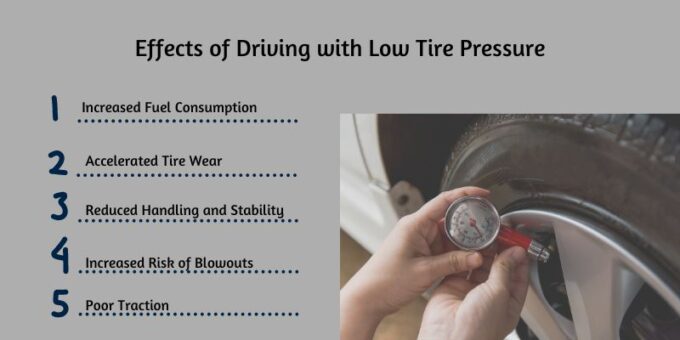
Under-inflated tires increase rolling resistance, which means your engine has to work harder. This can lead to decreased fuel efficiency over time, costing you more at the pump.
Moreover, properly inflated tires wear evenly, extending their lifespan. Uneven wear can compromise safety by increasing the risk of blowouts or reduced traction in adverse conditions.
Regularly checking tire pressure should be part of your maintenance routine. It’s a simple task that pays off significantly in terms of safety and cost-efficiency down the line.
How Low Pressure Tires Affect Safety
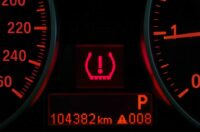
Low pressure tires significantly compromise vehicle safety. When tire pressure dips below the manufacturer’s recommendation, handling becomes unpredictable. This affects steering response and braking distances.
Additionally, low-pressure tires increase the likelihood of blowouts. The sidewalls flex excessively under load, leading to overheating and potential failure on the road. This risk is heightened during high-speed driving or sharp turns.
Moreover, reduced traction occurs with insufficient inflation. Tires that are not properly inflated cannot grip the road effectively, which can lead to skidding in wet conditions or during sudden stops.
Drivers may also notice longer stopping distances with low pressure tires. As friction increases between a deflated tire and the road surface, it takes more time to come to a complete halt—a dangerous scenario in emergency situations.
Recognizing these risks emphasizes the importance of regular tire maintenance for safer journeys on any terrain.
The Impact of Low Pressure Tires on Fuel Economy
Low pressure tires can significantly affect fuel economy. When your tires are under-inflated, they create more rolling resistance. This means your engine has to work harder to move the vehicle.
As a result, fuel consumption increases. Studies show that every 1 PSI drop in tire pressure can reduce fuel efficiency by approximately 0.4%. Over time, these small declines add up, leading to noticeable increases in your gas expenses.
Additionally, low pressure tires may lead to uneven wear and tear. This not only shortens the lifespan of your tires but also affects performance and handling. You might find yourself refueling more often than necessary due to this inefficiency.
Maintaining proper tire pressure is essential for maximizing fuel economy and reducing overall costs at the pump. Keeping an eye on those numbers pays off in both savings and vehicle health.
Common Misconceptions About Low Pressure Tires
Many drivers believe that low pressure tires are just a minor inconvenience. They think they can continue driving without any serious consequences. This misconception can lead to dangerous situations on the road.
Another common myth is that under-inflated tires improve traction. While it may seem logical, the reality is quite different. Low pressure actually reduces contact with the road surface, resulting in decreased grip and longer stopping distances.
Some people also assume that tire pressure only matters for performance vehicles or during extreme weather conditions. In truth, every vehicle benefits from proper tire inflation year-round.
There’s a belief that checking tire pressure isn’t necessary unless you see visible deflation. Regular monitoring is crucial because tires can lose air slowly over time without noticeable signs until it’s too late.
Tips for Maintaining Proper Tire Pressure
Maintaining proper tire pressure is crucial for performance and safety. Start by checking your tire pressure regularly, ideally once a month. Use a reliable gauge to ensure accurate readings.
Consider the temperature as well. Tire pressure tends to drop in colder weather, so be vigilant during seasonal changes.
Don’t forget about your spare tire! It can often be overlooked but needs attention too.
When filling up at gas stations, take advantage of air pumps available on-site. They make it easy to adjust pressures quickly.
Pay attention to wear patterns on your tires. Uneven wear may indicate that you need to check alignment or rotate them more frequently for balanced wear and optimal performance.
Conclusion
Proper tire pressure is essential for vehicle performance and safety. Low pressure tires can lead to numerous issues, from compromised handling to increased fuel consumption. Understanding the impact of low tire pressure empowers you to make better choices for your vehicle’s maintenance.
Regularly checking and maintaining the correct tire pressure not only enhances safety but also contributes to improved fuel economy. Misconceptions about low-pressure tires often cloud judgment, making it crucial to stay informed about their real effects on driving conditions.
By prioritizing regular checks and educating yourself on best practices, you can ensure a smoother ride while saving money at the pump. Keeping your tires properly inflated means that you’re taking an important step towards safer driving experiences and more efficient travel. Taking this small action can have significant long-term benefits for both you and your car’s longevity.







Leave a comment