

Introduction to Low Tire Pressure
Picture this: you’re cruising down the highway, music blasting, Signs of Low Tire Pressure and everything feels just right. Suddenly, you notice a strange vibration or hear an odd noise from your vehicle. Could it be low tire pressure? Maintaining proper tire pressure is crucial for safety and efficiency on the road. Yet many drivers overlook this simple aspect of car maintenance until it’s too late.
Low tire pressure can lead to serious issues that may jeopardize not only your ride but also your safety. Recognizing the signs early can help prevent dangerous situations and save you money in the long run. Let’s dive into how you can stay ahead of potential problems by understanding low tire pressure better before it becomes a threat to your journey.
The Dangers of Driving with Low Tire Pressure
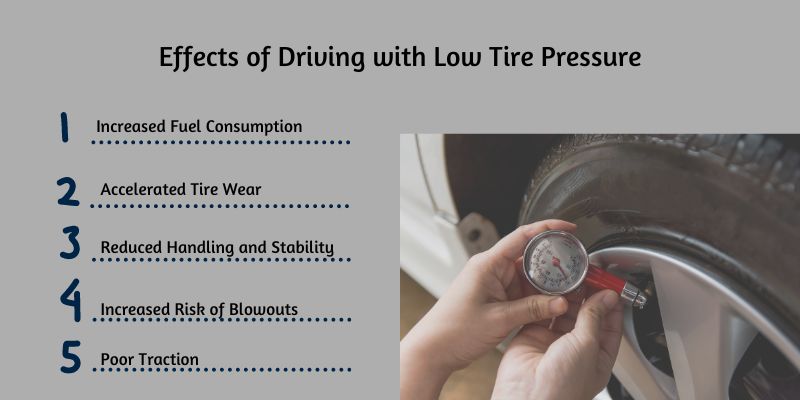
Driving with low tire pressure poses significant hazards. Under-inflated tires can lead to poor handling, making it harder to steer and stop effectively. This increases the risk of accidents on busy roads.
Additionally, low pressure causes uneven tire wear. Tires may wear out more quickly in certain areas, reducing their lifespan and performance. The last thing you want is a blowout while speeding down the highway.
Fuel efficiency takes a hit as well. Low-pressure tires create more rolling resistance, forcing your engine to work harder and consume more fuel.
Driving on under-inflated tires can compromise traction. Whether you’re navigating wet roads or icy conditions, proper tire pressure is essential for maintaining grip and stability during your drive.
How to Check Your Tire Pressure
Checking your tire pressure is easier than you might think. Start by getting a reliable tire pressure gauge. These tools are affordable and available at most auto parts stores or online.
Once you have your gauge, make sure the tires are cold for an accurate reading. Remove the valve cap from one tire and press the gauge onto the valve stem firmly. You’ll hear a hissing sound if air escapes; just ensure it’s snug enough to get a reading.
Check the PSI (pounds per square inch) displayed on the gauge. Compare this number with your vehicle’s recommended tire pressure, usually found in your owner’s manual or on a sticker inside the driver’s door.
Don’t forget to repeat this process for all four tires! After checking, always replace each valve cap tightly to keep dirt out and maintain proper inflation levels.
Common Signs of Low Tire Pressure
One of the first signs of low tire pressure is a noticeable change in handling. If your vehicle feels sluggish or drifts while steering, it might be time to check those tires.
You may also observe uneven wear on the tread. Flat spots can develop more quickly when air levels drop, leading to increased friction and reduced grip.
Another common indicator is a visual inspection. Look for any visible bulges or cracks in the sidewall, which could signal that your tires are underinflated.
Pay attention to dashboard warning lights too. Many modern cars have sensors that alert you when tire pressure dips below safe levels.
Listen for unusual noises while driving. A hissing sound can indicate air escaping from a tire with low pressure. Keeping an ear out might just save you from a dangerous situation on the road.
Importance of Regularly Checking and Maintaining Tire Pressure
Regularly checking and maintaining tire pressure is crucial for your safety on the road. Properly inflated tires enhance vehicle handling, ensuring a smoother ride.
Under-inflated tires can lead to increased wear and tear. This not only shortens the lifespan of your tires but may also result in costly replacements down the line.
Fuel efficiency takes a hit with low tire pressure too. When your tires are not at optimal levels, your engine has to work harder, leading to more frequent gas station visits.
Additionally, proper tire inflation contributes significantly to overall vehicle performance. You’ll notice improved traction and braking capabilities—essential for navigating unexpected situations safely.
Checking tire pressure is simple yet often overlooked. Invest just a few minutes each month or before long trips to ensure that you’re driving on well-maintained wheels.
Tips for Preventing Low Tire Pressure
To prevent low tire pressure, make it a habit to check your tires regularly. Aim for at least once a month or before long trips.
Use a reliable tire gauge to measure the pressure accurately. This simple tool can save you from unexpected issues.
Don’t forget about temperature changes. Tire pressure can drop in colder months, so adjust accordingly as seasons change.
Inspect your tires visually too. Look for any signs of damage, like cracks or bulges, which could affect their performance.
Avoid overloading your vehicle as it puts extra stress on tires and may lead to lower pressure over time.
Consider using nitrogen instead of regular air for inflation. It retains pressure better and decreases fluctuations due to temperature swings.
Conclusion
Low tire pressure can lead to a host of issues that affect both safety and performance. Knowing the signs of low tire pressure is essential for every driver. Regular checks, awareness of your vehicle’s handling, and simple preventive measures can keep you safe on the road.
Make it a habit to inspect your tires regularly. This small effort can significantly enhance your driving experience while reducing the risk of accidents related to tire failure. Stay informed, stay vigilant, and always prioritize your safety behind the wheel.








Leave a comment