

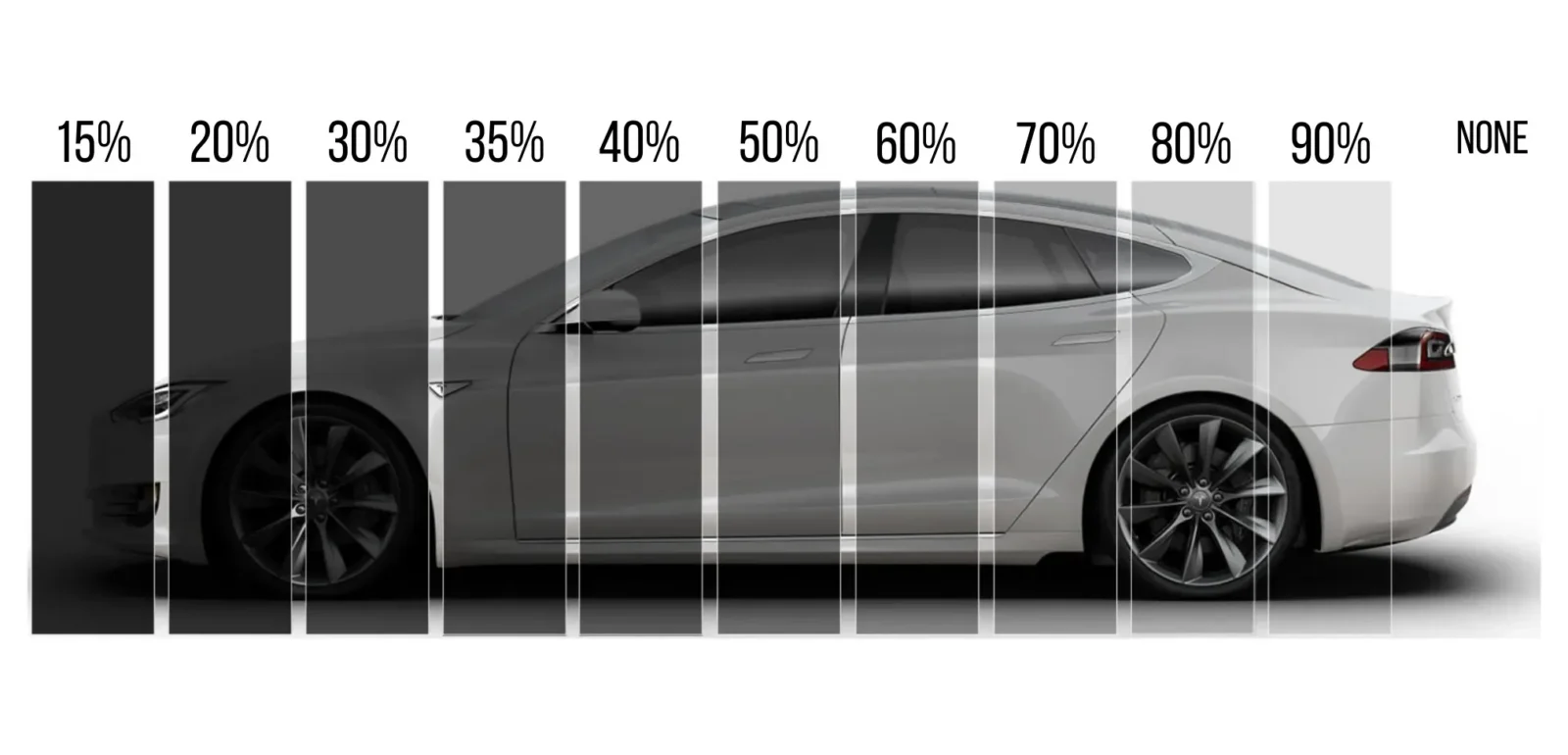
Introduction to window tinting
Why Is Tinting Windows Illegal has become a popular trend among car owners looking to add a touch of style and privacy. The sleek, darkened look of tinted windows can elevate any vehicle’s aesthetic appeal. However, many people remain unaware that there are strict laws governing how much tint is acceptable on their car windows. In some cases, overly dark tints may even be illegal.
Understanding the reasons behind these regulations is crucial for anyone considering window tinting. From safety concerns to visibility issues, there’s more at stake than just personal preference. This blog will delve into why certain levels of window tint are prohibited and what you need to know before taking this step for your vehicle. Whether you’re thinking about enhancing your ride or simply curious about the rules in your area, we’ve got all the details covered!
Understanding the laws and regulations surrounding window tinting
Window tinting laws vary significantly from state to state. Each region has specific regulations that dictate how dark a vehicle’s windows can be tinted. These laws often consider factors like the type of vehicle and the location of the tinted windows.
Most states categorize window tints based on visible light transmission (VLT), which measures how much light passes through your windows. A lower VLT percentage means darker tint, but many areas have strict limits to ensure safety.
Law enforcement agencies enforce these regulations, primarily to enhance visibility for drivers and pedestrians alike. Dark tints can obstruct an officer’s view when approaching a vehicle during traffic stops.
It’s essential for car owners to familiarize themselves with their local laws before applying any window film. Ignoring these rules can lead to fines or even having to remove non-compliant tints altogether.
The safety concerns of dark window tints
Dark Why Is Tinting Windows Illegal may look sleek, but they come with serious safety concerns. One major issue is reduced visibility. When the sun sets or during adverse weather conditions, drivers can struggle to see clearly through heavily tinted windows.
This lack of clarity can lead to dangerous situations on the road. It’s essential for drivers to have a full view of their surroundings at all times. Tinted windows can create blind spots that obscure pedestrians and cyclists.
Moreover, emergency responders might face challenges when assessing accidents involving vehicles with dark tints. If first responders cannot quickly identify occupants in distress, it could delay crucial help.
Law enforcement also has reasons for concern. Identifying individuals inside a vehicle becomes difficult, complicating traffic stops and heightening risks for officers and motorists alike.
The impact of tinted windows on visibility
Tinted Why Is Tinting Windows Illegal can significantly alter visibility, both for the driver and pedestrians. Darker films reduce glare from sunlight but can also make it challenging to see clearly in low-light conditions.
When driving at night, heavily tinted windows may hinder a driver’s ability to spot other vehicles or obstacles on the road. This impairment raises serious safety concerns.
For pedestrians and cyclists, tinted windows create an obstacle as they become less visible to drivers. A darker tint may camouflage these vulnerable individuals during crucial moments when quick reactions are necessary.
Moreover, law enforcement often faces challenges with vehicles that have dark tints. Officers find it difficult to identify occupants during traffic stops, which could escalate into dangerous situations.
In essence, while tinted windows offer privacy and style, they can complicate visibility in various contexts—resulting in potential hazards for everyone on the road.
Benefits and drawbacks of tinted windows
Tinted windows can enhance the aesthetic appeal of a vehicle. They provide a sleek, modern look that many drivers find attractive. This visual upgrade often sets vehicles apart in crowded parking lots.
Heat reduction is another significant advantage. Tinted films can block harmful UV rays, helping to keep interiors cooler during hot weather. A comfortable cabin temperature reduces the need for air conditioning, ultimately improving fuel efficiency.
However, there are notable drawbacks to consider. Dark tints can limit visibility at night or in poor weather conditions, increasing safety risks for both drivers and pedestrians.
Additionally, not all states allow deep tinting on front windows or windshields. Violating these regulations may lead to fines and the hassle of removing illegal tinting.
Choosing tinted windows requires careful thought about both aesthetics and practicality before making a final decision.
Alternatives to traditional window tinting
If traditional window tinting doesn’t suit your needs or local laws, there are several alternatives to consider. One popular option is using window films that are clear but provide UV protection. These allow natural light while blocking harmful rays.
Another choice is reflective window film, which can help maintain interior temperatures without darkening the glass significantly. This type often enhances privacy during the day while still allowing visibility from inside.
For those looking for a more permanent solution, installing treated windows with built-in sun-blocking technology can be effective. They are designed to reflect heat and glare without compromising clarity.
Customized shades or blinds offer versatility and control over light exposure. They come in various styles and materials to match any aesthetic while providing essential privacy and comfort throughout the day.
Conclusion – weighing the pros and cons of window tinting and making an informed decision
When it comes to window tinting, the conversation often revolves around legal regulations and safety concerns. Tinted windows can offer increased privacy, reduced glare, and protection from harmful UV rays. However, these benefits come with significant drawbacks.
Legislation varies widely depending on your location. While some states allow certain levels of tint for aesthetic or practical reasons, others impose strict limits due to visibility issues and law enforcement needs. This inconsistency creates confusion for many drivers looking to enhance their vehicle’s appearance.
Safety is another critical factor in this debate. Dark tints can obstruct a driver’s view during crucial moments, especially at night or in adverse weather conditions. Reduced visibility can increase the risk of accidents, putting both the driver and pedestrians at risk.
On one hand, tinted windows provide comfort by cooling down interiors and protecting passengers from sun exposure; on the other hand, they may lead to costly fines if they don’t comply with local laws—and potentially put lives at risk when visibility is compromised.
For those seeking alternatives to traditional window tinting that align more closely with both legal standards and safety requirements—options like ceramic films or lighter tints exist as viable solutions without sacrificing aesthetics too much.
Weighing these pros and cons will guide you in making an informed choice about whether window tinting aligns with your personal needs while adhering to regulations designed for public safety. Your decision should reflect not just personal preference but also responsible driving practices that consider everyone’s well-being on the road.










Leave a comment