

Introduction to the importance of tyre pressure
When it comes to driving, the condition of your Low Tyre Pressure Signs might not always be top of mind. However, maintaining proper tyre pressure is crucial for safety and performance on the road. Under-inflated tyres can lead to serious issues that not only affect your vehicle’s handling but also pose risks to your safety and wallet. Recognizing low tyre pressure signs can save you from costly repairs and dangerous situations.
Every driver should know what constitutes low tyre pressure and how it manifests through various symptoms. Staying informed about these warning signals will empower you as a responsible car owner, ensuring that every journey remains smooth and secure. Let’s delve into the vital details surrounding this critical aspect of vehicle maintenance!
What is considered low tyre pressure?
Low Tyre Pressure Signs is typically defined as any reading below the manufacturer’s recommended level. Most passenger vehicle tyres should be inflated to a range between 30 to 35 PSI (pounds per square inch).
When your tyres drop below this threshold, they can negatively impact performance and safety. Monitoring tyre pressure regularly is crucial for optimal driving experiences.
It’s important to note that factors like temperature changes can affect tyre inflation levels. Cold weather can cause air inside the tyres to contract, leading to lower readings even if there are no leaks.
Using a reliable gauge will help you accurately assess whether your tyres are under-inflated. If you’re uncertain about the correct PSI for your vehicle, refer to the placard located on the driver’s side door jamb or consult your owner’s manual for guidance.
Symptoms of low tyre pressure
Detecting low tyre pressure early can save you from serious issues down the road. One of the first symptoms to notice is a change in how your vehicle handles. If steering feels heavy or unresponsive, it could be time to check those tyres.
Another common sign is uneven wear on the tread. If one side looks more worn than the other, low pressure may be at play.
Listen closely while driving; any unusual noises like a thumping sound can indicate under-inflated tyres slapping against the road surface.
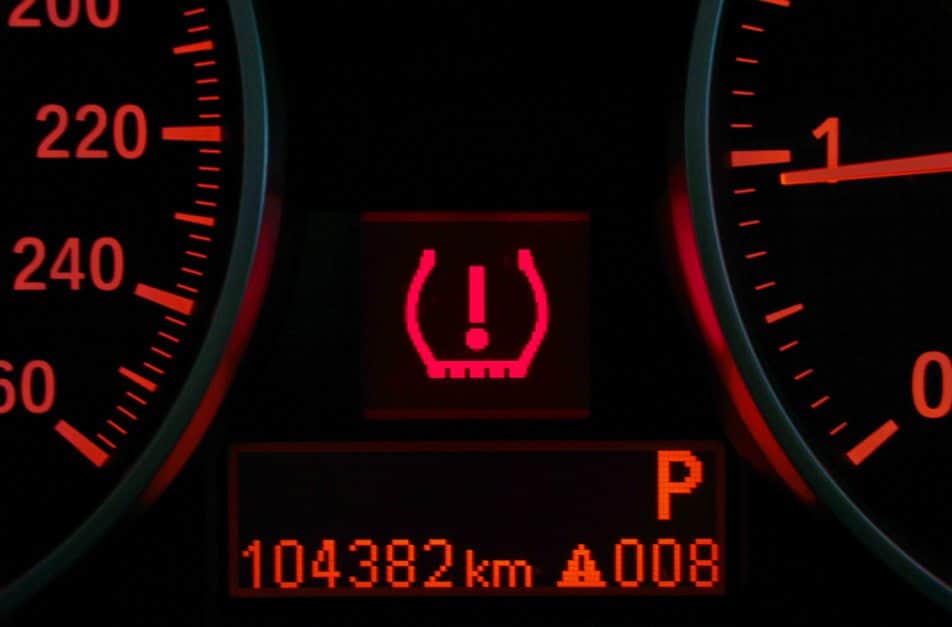
Additionally, watch for warning lights on your dashboard. Many modern cars come equipped with tyre pressure monitoring systems that alert you when something’s off.
If you find yourself refilling air more frequently than usual, take it as a cue to investigate further before hitting the road again.
Effects of driving with low tyre pressure
Driving with low tyre pressure can lead to a host of problems. One immediate effect is reduced handling and stability. Your vehicle may feel sluggish, making it difficult to steer effectively.
Fuel efficiency also takes a hit when tyres aren’t properly inflated. The engine has to work harder, leading to increased fuel consumption and higher costs at the pump.
Wear and tear on your tyres accelerates as well. Uneven tread wear can shorten their lifespan significantly, resulting in costly replacements sooner than expected.
Moreover, low tyre pressure increases the risk of blowouts. A sudden loss of air can catch you off guard while driving, posing serious safety risks for you and others on the road.
Braking distance extends when tyres are under-inflated. This delay could be crucial during emergencies where every second counts in stopping safely.
How to check and maintain proper tyre pressure
Checking your tyre pressure is simple and can save you from unexpected issues on the road. Start by using a reliable tyre pressure gauge. You can find these at auto parts stores or online.
Make sure to check the pressure when tyres are cold, ideally in the morning before driving. Remove the valve cap and press the gauge onto the valve stem until it makes a hissing sound. Read the measurement instantly for accuracy.
Refer to your vehicle’s owner manual or look for a sticker inside the driver’s side door jamb for recommended PSI levels.
If you discover low readings, inflate your tyres accordingly using an air compressor available at most petrol stations.
Regularly inspect your tyres visually too. Look for cracks, bulges, or uneven wear that indicate underlying problems needing attention.
Common causes of low tyre pressure
Low tyre pressure can stem from several everyday factors. One common cause is temperature fluctuations. As the weather gets colder, air contracts and causes tyres to lose pressure.
Another frequent issue is leaks or punctures. Sharp objects on the road can easily create small holes, allowing air to escape gradually.
Worn-out valves also contribute to this problem. The valve stems may deteriorate over time, making them less effective at sealing in air.
Additionally, improper installation during tyre changes can lead to low pressure too. If not fitted correctly, they might not seal well against the rim.
Natural wear and tear play a role as well. Over time, all tyres will naturally lose some air due to permeation through the rubber itself. Regular checks help catch these issues before they escalate into bigger problems.
Conclusion
Maintaining proper tyre pressure is crucial for safe and efficient driving. Ignoring the signs of low tyre pressure can lead to serious safety concerns, increased fuel consumption, and premature wear on your tyres. By staying vigilant about monitoring your tyre pressure regularly, you can avoid these issues.
Understanding what constitutes low tyre pressure and recognizing its symptoms—such as unusual vibrations, steering difficulties, or a noticeable drop in gas mileage—can help keep you informed. Additionally, knowing how to check your tyres effectively ensures that they remain in optimal condition.
Remember that factors such as temperature changes and natural air loss can contribute to low tyre pressure. Awareness of these common causes allows you to take proactive measures.
By prioritizing regular checks and maintenance of your tyres, you’re investing in both safety and performance on the road. Keep an eye out for those telltale signs; they’re not just minor inconveniences—they’re essential indicators that could save you from unexpected troubles down the line. Stay safe out there!








Leave a comment