

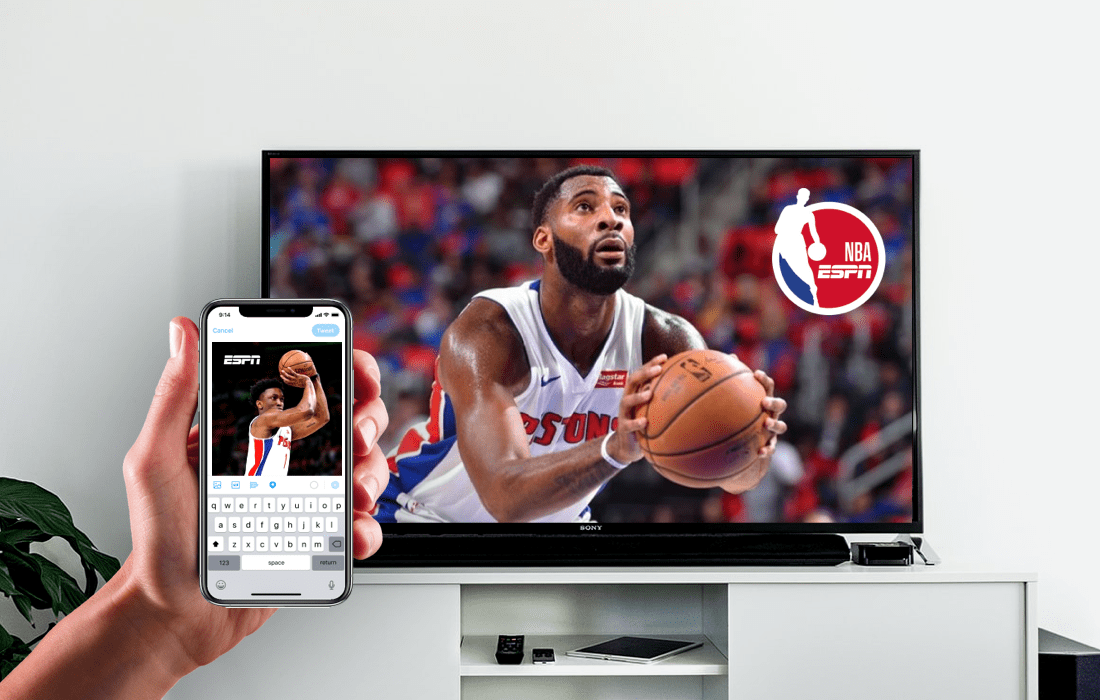
Television sponsorship is more than just a brand’s logo appearing on screen; it’s an opportunity to connect deeply with audiences and elevate your marketing strategy. As viewers tune in for their favorite shows, they become part of a community—one that brands can tap into. This potent form of advertising allows you to reach large demographics while enhancing your brand’s visibility and credibility.
Imagine seeing your product featured in the latest hit series or during an exciting sporting event. The right television sponsorship has the power to create lasting impressions and drive consumer engagement. If you’re ready to take your brand to new heights through this dynamic medium, understanding how to secure effective television sponsorships is key. Let’s explore the essential steps that will help you navigate this vibrant landscape successfully!
Understanding the Importance of Television Sponsorship for Brands
Television sponsorship offers brands a unique way to engage with millions of viewers. It allows you to align your message with popular content, creating instant credibility and recognition.
When your brand sponsors a show or event, it reaches audiences in an organic setting. Viewers often feel more connected when they see trusted programs support products they love.
Moreover, television has the power to evoke emotions. A well-placed sponsorship can enhance storytelling and make your brand part of memorable moments in people’s lives.
This form of advertising also provides valuable exposure across different demographics. Whether it’s sports, dramas, or reality shows, there’s a channel that speaks directly to your target audience.
With diverse options available today—ranging from prime-time slots to niche networks—television sponsorship remains an essential tool for building brand awareness and loyalty in a crowded marketplace.
Identifying Your Target Audience and Choosing the Right TV Network
Understanding your target audience is crucial when pursuing television sponsorship. Who are you trying to reach? Age, gender, interests, and lifestyle all play significant roles in defining your ideal viewer.
Once you’ve pinpointed your audience, it’s time to select the right TV network. Different networks cater to varying demographics and content preferences. For instance, a lifestyle brand may thrive on a channel that focuses on home improvement or family-oriented programming.
Research is key here. Analyze ratings and viewership statistics for potential networks. Consider what shows align with your brand values and messaging.
Don’t overlook niche channels either; they often provide access to dedicated audiences who resonate deeply with specific themes or topics. A strategic approach will ensure that your sponsorship efforts yield maximum impact for both visibility and engagement with the right viewers.
Crafting a Compelling Sponsorship Proposal
Crafting a compelling sponsorship proposal is essential for capturing the interest of TV networks. It starts with a clear understanding of your brand’s objectives and how they align with the network’s audience.
Begin by highlighting what makes your brand unique. Showcase your achievements, values, and vision. Use engaging visuals to bring your story to life; strong graphics can create an emotional connection.
Next, outline the benefits that come from partnering with you. Explain how sponsoring your brand will enhance their programming and viewer engagement. Be specific about potential reach and impressions.
Don’t forget to include case studies or past successes if applicable. Demonstrating proven results builds credibility.
Ensure that the proposal is well-structured and easy to read. A polished presentation reflects professionalism and commitment, making it easier for decision-makers to visualize the partnership’s potential.
Negotiating Terms and Budget with TV Networks
Negotiating terms and budget with TV networks can be a nuanced process. It’s essential to arrive prepared, armed with data about your brand’s value and audience reach.
Start by establishing clear objectives for the sponsorship. Know what you want to achieve—whether it’s increased brand awareness or lead generation. This clarity will guide discussions.
When discussing budget, be transparent yet flexible. Understand that networks often have set pricing structures but may offer packages tailored to your needs.
Listen actively during negotiations; both parties should feel heard. This lays the groundwork for a mutually beneficial partnership.
Don’t hesitate to discuss additional benefits like digital placements or social media shout-outs as part of the deal. Creative solutions can enhance value without inflating costs significantly.
Maintain open communication throughout the negotiation process, building rapport while ensuring all expectations are aligned before sealing the agreement.
Leveraging Social Media and Digital Marketing in Conjunction with TV Sponsorship
Integrating social media and digital marketing with television sponsorship can dramatically amplify your brand’s visibility. When viewers see your logo on their favorite show, they often turn to platforms like Instagram or Twitter to engage further.
Create buzz by sharing sneak peeks of the sponsored content across your channels. Use eye-catching visuals and hashtags that resonate with both TV audiences and online followers. This encourages conversations around your brand, enhancing engagement.
Don’t stop there; consider running targeted ads on social media during the airing of the program. These ads can reach people who might not be tuning in live but are active online at that time.
Encourage user-generated content related to the sponsorship. Contests or challenges can incentivize viewers to share their experiences, making them feel a part of the narrative while organically spreading awareness about your brand beyond traditional advertising methods.
Measuring Success and ROI of Television Sponsorship for Your Brand
Measuring the success of your television sponsorship is crucial for understanding its impact. Start by establishing clear goals before you embark on this journey. Are you looking to increase brand awareness, boost sales, or enhance customer loyalty?
Tracking metrics like audience reach and engagement can provide valuable insights. Tools such as Nielsen ratings help gauge how many viewers are tuning in during your sponsored segments.
Additionally, analyze website traffic and social media buzz post-campaign launch. Increased visits or conversations can indicate heightened interest linked to your sponsorship.
Don’t forget about conversion rates! Monitor sales data closely to see if there’s a noticeable uptick after airing your ads.
Gather feedback through surveys or focus groups to assess audience perception of your brand in relation to the show they watched. This holistic approach will give you a clearer picture of ROI from television sponsorship efforts.
Conclusion
Television sponsorship holds significant potential for brands looking to expand their reach and make a lasting impact. It offers a unique opportunity to connect with audiences in an engaging way, tapping into the emotional resonance of television content. By strategically aligning your brand with relevant shows or networks, you can elevate your visibility and credibility.
The right sponsorship not only enhances brand awareness but also fosters trust among viewers. When consumers see your logo associated with their favorite programs, it creates an inherent sense of reliability. This connection can lead to increased customer loyalty and conversions over time.
As you navigate through the various aspects of securing television sponsorship—whether it’s crafting compelling proposals or measuring success—remember that this medium is all about storytelling. Your brand’s story deserves to be told alongside captivating narratives on screen.
Harnessing the power of television sponsorship allows brands to leverage both traditional media and modern digital marketing tactics. With careful planning, negotiation, and execution, you can transform how your audience perceives your brand while driving measurable results that contribute directly to your business goals.
Embrace this opportunity for growth as you explore the many possibilities within television sponsorship; it’s more than just advertising—it’s about creating meaningful connections that resonate long after the credits roll.













Leave a comment