

Introduction
When designing or planning your home, one of the most important factors to consider is the typical 3 car garage dimensions. For homeowners with multiple vehicles or those who use their garage for additional storage or activities, having a garage that fits your needs is essential. The dimensions of your garage affect how much space you have for parking, storage, and even extra activities such as workshops or exercise areas.
A 3-car garage offers ample room to park three cars, but it can also serve multiple purposes if designed efficiently. This article will explore the typical 3-car garage dimensions, factors influencing garage design, and how to customize the space to suit your personal requirements. Whether you’re building a new home or remodeling an existing garage, this guide will provide you with essential insights for planning the perfect garage.
Standard Dimensions for a Typical 3-Car Garage
The size of a Typical 3 Car Garage Dimensions is generally larger than that of a standard 2-car garage. However, the actual measurements can vary depending on the layout, design, and specific needs of the homeowner. In general, the dimensions for a typical 3-car garage are as follows:
1. Width of a 3-Car Garage
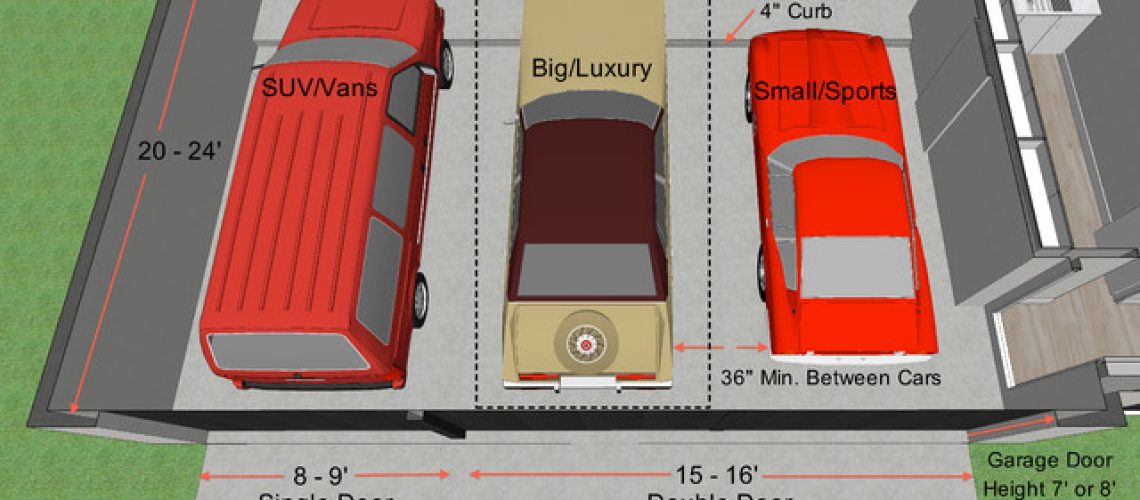
The width of a 3-car garage is the key measurement, determining how much space you’ll have for parking multiple vehicles side by side. A typical 3-car garage will be between 24 feet to 30 feet in width.
24 feet width: This is considered the minimum width for a 3-car garage. At 24 feet, each parking spot will be quite narrow, providing just enough space for three standard-sized vehicles. This option works best for smaller cars or if the garage is primarily intended for parking without much room for movement.
30 feet width: A wider 3-car garage at 30 feet provides more space between vehicles, making it easier to park, open doors, and navigate around the cars. This width is ideal for larger vehicles or for those who want extra space for movement and storage.
2. Depth of a 3-Car Garage
The depth of a 3-car garage refers to how deep the space is from the front to the back. A typical depth for a 3-car garage is usually between 20 feet and 24 feet.
20 feet depth: This is the standard depth for many garages, providing enough room for most vehicles, including SUVs and light trucks, to park comfortably. However, the depth might be a bit tight for larger vehicles such as full-size trucks or vans.
24 feet depth: A deeper garage, usually considered a more luxurious option, provides ample space for larger vehicles. It also allows for added flexibility, such as space for storage, workbenches, or additional movement in and out of the garage.
3. Height of a 3-Car Garage
The height of a 3-car garage is another important dimension, particularly if you plan on storing taller vehicles, using the garage for storage, or installing an overhead loft. The standard height of a 3-car garage typically ranges from 8 feet to 10 feet.
8 feet height: This is the common height for most residential garages, accommodating most vehicles, including sedans and SUVs.
10 feet height: If you have large trucks, SUVs, or plan to use the space for storage in the form of overhead shelves, higher ceilings are recommended. A 10-foot height is ideal for more space and can allow for additional features such as a loft or attic.
Factors Influencing Garage Dimensions
While the typical 3-car garage dimensions give you a general idea of what to expect, there are several factors that may influence the exact measurements and design of your garage. Below are some of the most important elements to consider:
1. Vehicle Sizes
The size of your vehicles is the most significant factor in determining your garage’s required dimensions. If you have a mix of compact cars, mid-sized vehicles, or larger trucks and SUVs, you may need to adjust the width or depth of your garage to accommodate them comfortably.
Standard vehicle dimensions: Most sedans are around 6 feet wide and 12-16 feet long.
Larger vehicles: Full-sized trucks or SUVs tend to be 7 to 8 feet wide and 18-22 feet long.
If you drive larger vehicles, it’s essential to account for extra space to allow for easier parking, maneuvering, and access to vehicle doors.
2. Garage Door Design
Another important factor in typical 3-car garage dimensions is the design of the garage door(s). You can opt for multiple single doors or a combination of single and double doors, depending on your preferences. The design and size of the doors will affect the overall width and functionality of the garage.
Single doors: A typical single garage door is 9 feet wide and 7-8 feet tall. A 3-car garage with single doors will have three individual openings.
Double doors: A double garage door is typically 16 feet wide, which can be ideal for easy access to the garage for larger vehicles. You may have one double door for the middle space and two single doors for the other parking spots.
3. Storage and Workspace Needs
If you plan to use your garage for storage or a workspace in addition to parking vehicles, you’ll need to customize the space further. This might involve increasing the depth or width to accommodate shelving, a workbench, or other storage solutions.
Workshops or home gyms: Consider adding extra space in your design to incorporate a workbench, tools, or exercise equipment.
Shelving and cabinets: If you plan to store seasonal items, gardening tools, or sports equipment, you’ll want to ensure the garage is deep enough for shelves or cabinets along the walls.
Customizing Your 3-Car Garage Dimensions
While the typical 3-car garage dimensions offer a solid foundation for planning, customizing the garage to suit your unique needs will ensure that you get the most out of the space. Here are a few ways to customize the design of your garage:
1. Increasing Width for Larger Vehicles
If you own large trucks or SUVs, or if you want to park your cars without worrying about tight spaces, consider widening the garage. Adding an extra 2-3 feet to the width can give you more room to maneuver around vehicles and store items more comfortably.
2. Adding a Loft or Attic Space
A great way to maximize your garage’s functionality is by adding a loft or attic space. This can be done by raising the height of the garage to 10 feet or more. A loft offers additional storage for seasonal items, tools, or even a home office. Be sure to include a sturdy staircase or ladder for access.
3. Incorporating Built-In Storage Solutions
For many homeowners, the garage is a place for more than just cars. It can be used to store sporting equipment, outdoor gear, tools, or even as a small workshop. By designing your garage with built-in shelves, cabinets, or overhead storage racks, you can make the most of the space without cluttering the floor.
Benefits of a 3-Car Garage
A 3-car garage offers several advantages over smaller garages, making it a great investment for homeowners who need extra space. Here are some benefits:
1. Increased Storage Capacity
The extra space in a 3-car garage allows for a lot more than just parking. You’ll have room for extra storage, making it easier to organize seasonal items, sporting equipment, and more.
2. Space for Larger Vehicles
If you own larger vehicles such as trucks, SUVs, or RVs, a 3-car garage is the perfect option. It gives you the space to park without worrying about tight fits or damaging your vehicles.
3. Enhanced Property Value
A 3-car garage can add value to your property, especially in areas where homeowners prioritize parking and storage space. When it comes time to sell your home, the extra garage space could be an attractive selling point for potential buyers.
Conclusion
When planning a 3-car garage, understanding the typical 3-car garage dimensions is essential for ensuring the space meets your needs. A standard 3-car garage typically ranges between 24 to 30 feet in width, 20 to 24 feet in depth, and 8 to 10 feet in height, providing enough room for three vehicles, storage, and other uses.
By considering factors like vehicle size, garage door design, and additional features such as storage or workspaces, you can customize the dimensions to suit your specific requirements. Whether you need extra space for larger vehicles, tools, or recreational gear, a well-designed 3-car garage can greatly enhance your home’s functionality and value.









Leave a comment