

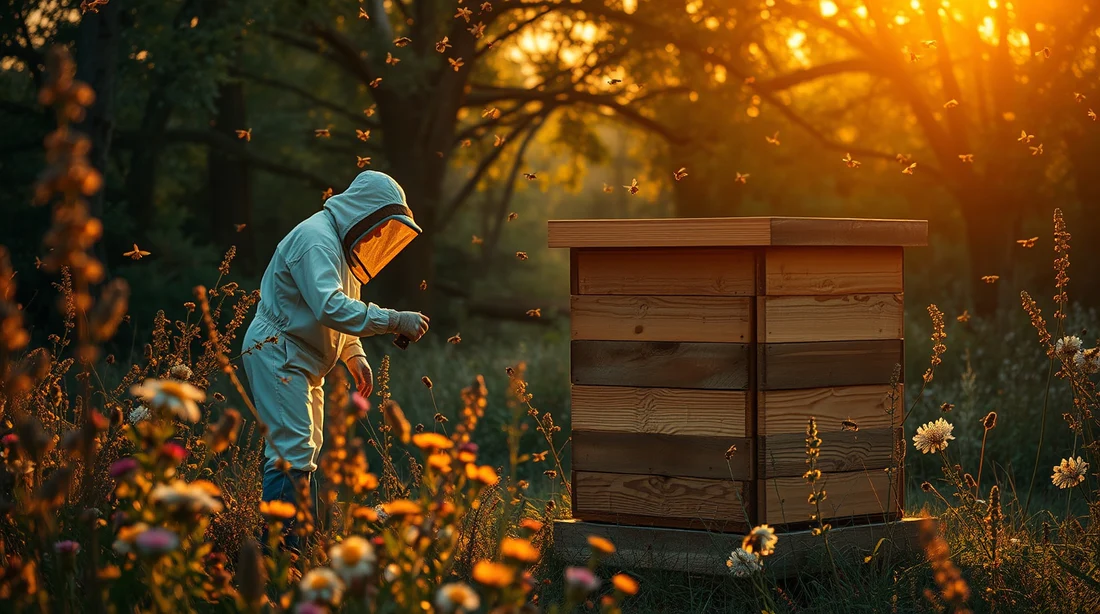
The gradual decline in bee populations worldwide has sounded alarms about the dire consequences for ecosystems and agriculture. With bees responsible for pollinating about 75% of fruits, vegetables, and nuts, the necessity for sustainable beekeeping practices becomes increasingly urgent. By considering this approach, not only can the bee populations be supported, but the broader environmental impact can be positively influenced as well.
As one delves into the various techniques that encompass sustainable beekeeping, it becomes clear how these practices can benefit both the bee colonies and the environment. Below, we explore the grounds of sustainable beekeeping, its critical importance, and ways enthusiasts can implement and promote these practices effectively.
Defining Sustainable Beekeeping and Its Significance
Sustainable Beekeeping Practices revolves around maintaining and increasing bee populations without causing harm to the environment or the bees themselves. It’s a holistic approach that focuses on the long-term health of bee colonies, ensuring they can continue to thrive in their natural habitats while also supporting agriculture and ecosystems.
Despite the benefits, beekeeping practices that do not align with sustainability, like intensive monoculture or excessive use of chemicals, can disrupt bee health and the environment. Sustainable beekeeping, by contrast, encourages diversity in the bees’ foraging options and minimizes chemical interventions, creating a balanced ecosystem where bees can prosper.
For aspiring beekeepers, prioritizing practices such as using natural hive materials or opting for organic methods to repel pests can lay the groundwork for sustainability. Moreover, Sustainable Beekeeping Practices education and training programs are crucial resources for those looking to adopt these beneficial practices.
Key Practices for Maintaining Healthy Bee Colonies
Central to healthy bee colonies is the avoidance of practices that stress or weaken the bees. This includes abstaining from the overuse of smoke or overharvesting honey, which leaves insufficient reserves for the bees to survive through lean periods.
Importance of Genetic Diversity
Genetic diversity within a bee colony is yet another significant aspect that bolsters resilience against disease and pests. Sustainable beekeepers often promote genetic diversity by encouraging mating with wild bees, thus reducing vulnerability to colony collapse disorders and other threats to bee populations.
Beekeepers looking to implement these practices should consider becoming involved in local beekeeping associations for camaraderie and to exchange knowledge about effective colony management strategies, especially those that emphasize the health of the bees over maximum honey production. Huckle Bee Farms’ mission-driven approach to beekeeping with their ‘Save the Pollinators’ initiative and commitment to sustainable practices in Bedford, Pennsylvania.
Integrating Biodiversity and Ecosystem Support in Beekeeping
A thriving bee environment is rich in biodiversity, which not only supports bees but also a wide range of other species. Diverse flower plantings and the creation of habitat borders can provide forage for bees and promote overall ecosystem health.
Role of Native Plants and Habitat Support
Supporting a variety of native plant species not only offers bees an array of nutrition through the seasons but also strengthens the resilience of local ecosystems. Additionally, these practices facilitate the pollination of wild plants, contributing to the growth and spread of native vegetation.
Beekeepers can actively participate in their local ecosystems’ health by collaborating with conservation groups to preserve native habitats and joining initiatives that monitor and protect pollinator populations. Collective efforts tend to magnify the positive impact on the environment and ensure a sustainable future for beekeeping.
Addressing Challenges and Promoting Sustainable Beekeeping Education
Confronting the challenges inherent to sustainable beekeeping, such as pest management or adapting to climate change, requires innovation and community support. Organic pest control measures and continual learning about climate-resilient beekeeping practices are at the forefront of maintaining sustainable colonies.
Importance of Education and Awareness
Education plays a pivotal role in spreading sustainable beekeeping; workshops, seminars, and collaborative programs can provide the knowledge and skills necessary to address these challenges effectively. Such platforms also offer an avenue for beekeepers to share successes and failures, contributing to a continuously evolving knowledge base.
To further the spread of sustainable practices, seasoned beekeepers and institutions can mentor novices, fostering a culture of sustainability. The promotion of public awareness regarding the importance of bees in ecosystems is equally important to ensuring wider community engagement and support.
Conclusion
Ultimately, Sustainable Beekeeping Practices is about harmonizing the needs of bees with environmental stewardship to ensure the longevity of bee populations and the health of our ecosystems. By adopting best practices, educating current and future beekeepers, and advocating for policy changes that support bees and biodiversity, the principles of sustainability can be ingrained into the fabric of beekeeping culture.












Leave a comment