

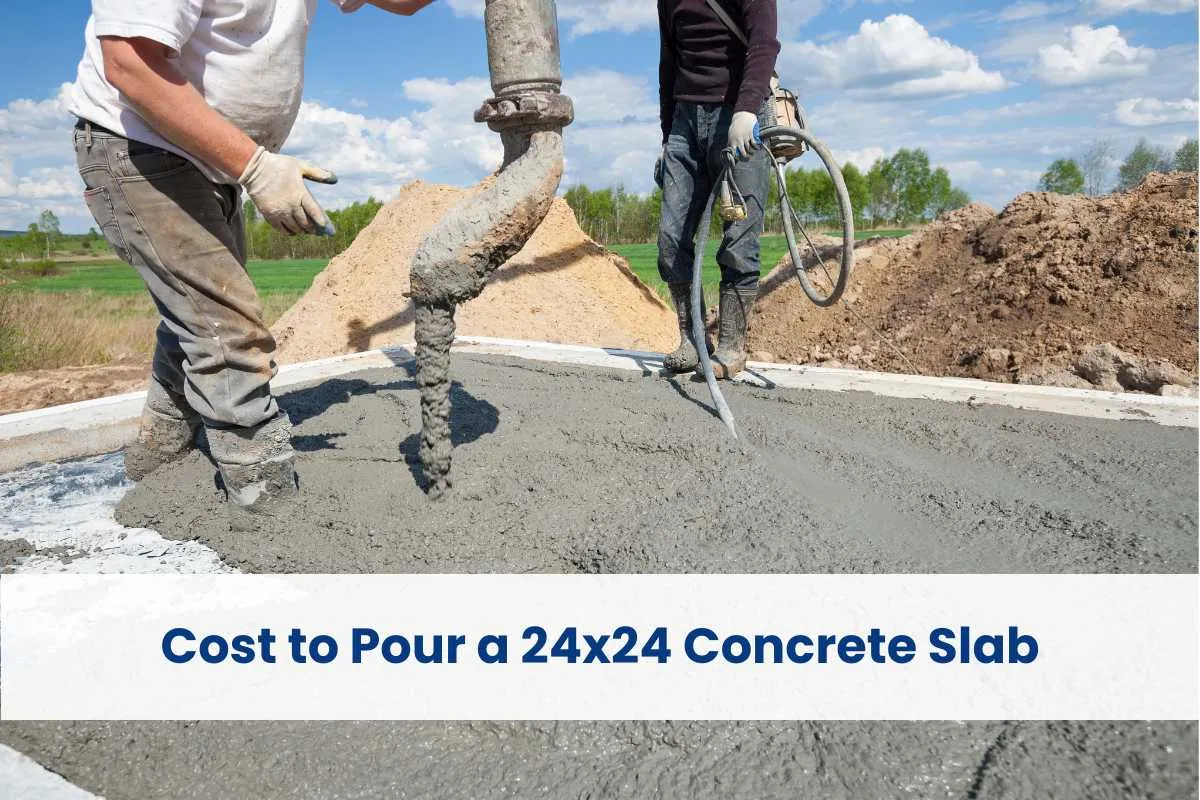
When it comes to construction, few elements are as fundamental as a cost to pour concrete slab. It’s the sturdy foundation for homes, garages, patios, and so much more. But have you ever paused to think about what goes into estimating the cost to pour a concrete slab? Understanding this critical aspect can save you time and money on your project.
Whether you’re planning a DIY endeavor or considering hiring professionals, knowing how costs add up is essential. From material selection to labor expenses, many factors come into play when calculating your budget. In this article, we’ll break down everything you need to know about the costs associated with pouring a concrete slab and share some tips for making your project more economical without sacrificing quality. Get ready to dive deep into the world of concrete slabs!
What is a Concrete Slab and Why is it Important?
A cost to pour concrete slab is a flat, horizontal surface made from poured concrete. It serves as the foundational base for various structures, including homes, garages, and walkways. This solid platform provides support and stability.
Concrete slabs are essential because they distribute weight evenly across the ground. This distribution prevents settling or cracking over time, ensuring durability. Additionally, they offer resistance to moisture infiltration, which is crucial for protecting your property.
Another benefit of a concrete slab is its versatility. They can be used in residential settings or commercial projects alike. Whether you’re building a patio for outdoor gatherings or laying down the foundation for a new home, choosing the right type of slab makes all the difference in longevity and performance.
Understanding what a concrete slab is highlights its importance in construction projects that require stability and strength.
Factors that Affect the Cost of Pouring a Concrete Slab
The cost to pour concrete slab can vary significantly based on several factors. First, the size of the slab plays a crucial role. Larger slabs require more materials and labor, increasing your total expense.
Next, consider the thickness of the slab. Standard residential slabs typically range from 4 to 6 inches thick. Thicker slabs may be necessary for specific applications and will add to your costs.
Location also impacts pricing. If you live in an area with high demand for construction services or where transportation costs are elevated, expect higher quotes from contractors.
Weather conditions can affect scheduling and material quality as well. Pouring during extreme temperatures might lead to additional measures that raise expenses.
Site preparation is essential but often overlooked. Clearing debris or leveling ground before pouring adds extra time and resources that contribute to overall project costs.
Calculating the Materials Needed for a Concrete Slab
To calculate the materials for your cost to pour concrete slab, start with determining its size. Measure the length and width to find the total square footage. For example, a slab measuring 10 feet by 12 feet would be 120 square feet.
Next, consider the depth of your slab. Most residential slabs are around four inches thick. Convert this measurement into feet—four inches is one-third of a foot.
Now multiply your total square footage by the depth in feet. In our case, 120 square feet times one-third of a foot equals 40 cubic feet.
Concrete is typically sold by volume, so convert cubic feet to cubic yards (there are about 27 cubic feet in a yard). Divide your total cubic footage by that number: 40 divided by 27 gives you approximately 1.48 yards of concrete needed for this project.
Don’t forget to account for additional materials like gravel or rebar if required!
Labor Costs and Hiring a Professional vs DIY
When considering the cost to pour a concrete slab, labor costs are a significant factor. Hiring professionals can ensure quality but may come with a hefty price tag. Skilled contractors bring experience and efficiency, which often translates into faster project completion.
On the other hand, tackling the project yourself can save money upfront. However, DIY projects require time and effort. You’ll need to invest in proper tools and equipment if you don’t already have them.
Mistakes during installation could lead to costly repairs down the line. Assess your skill level honestly before making this decision. If you’re comfortable with heavy materials and precise measurements, going DIY might be worthwhile.
Conversely, hiring pros guarantees that your slab meets local building codes and withstands the test of time. Consider your budget carefully while weighing these options against each other for your project’s success.
Additional Costs to Consider
When calculating the cost to pour a concrete slab, it’s crucial to factor in additional expenses that may arise during the project. For instance, site preparation is often overlooked. This includes clearing debris, leveling the ground, and possibly excavating soil.
Don’t forget about permits. Depending on your location, you might need specific approvals before starting construction. These costs can add up quickly if you’re not careful.
Then there are finishing touches. If you want to stain or seal your slab for aesthetics or durability, that will require extra materials and labor.
Think about potential drainage solutions. Proper drainage prevents water pooling and can save you from costly repairs later on.
Each of these elements plays a role in shaping the overall cost of your concrete slab project. Being aware of them helps ensure your budget remains intact.
Tips for Saving Money on Your Concrete Slab Project
When it comes to saving money on your concrete slab project, planning is crucial. Start by measuring the area accurately. This helps avoid over-purchasing materials you don’t need.
Consider purchasing materials in bulk. Many suppliers offer discounts for larger quantities, which can significantly cut costs.
Timing also plays a role. Concrete prices can fluctuate based on demand and seasonal factors. Aim to schedule your pour during off-peak seasons when rates might be lower.
If you’re handy, consider tackling some of the prep work yourself. Clearing the site or building forms doesn’t require professional skills but can save you labor costs.
Get multiple quotes from contractors if you’re hiring out the work. Comparing offers allows for better negotiation and ensures you find a competitive price that fits your budget.
Conclusion
Pouring a concrete slab is an essential step in many construction and landscaping projects. Understanding the cost to pour concrete slab involves multiple factors, from materials and labor to additional expenses that might arise. By calculating the right dimensions for your project, knowing where to source quality materials, and considering whether to hire professionals or take on the task yourself, you can effectively manage your budget.
Remember that unexpected costs often pop up during such projects. Therefore, it’s wise to account for those potential overruns in your financial planning. Finding ways to save money doesn’t mean sacrificing quality; it simply requires research and strategic decision-making.
Whether you’re building a foundation for a new home or creating an outdoor patio space, having a clear understanding of these elements will help you achieve success while keeping your costs manageable. Make sure you weigh all options carefully before diving into this rewarding endeavor.













Leave a comment