

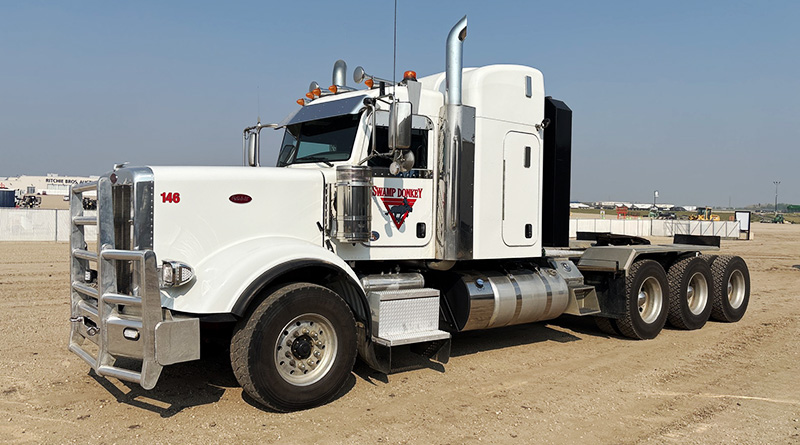
Have you ever found yourself wondering, “How much does a semi truck weigh?” This question might seem straightforward, but the answer is more complex than you think. Understanding the weight of a semi-truck is crucial for many reasons—whether you’re in logistics, transportation, or just curious about how these massive vehicles operate on our roads. The weight of a semi not only affects its performance and fuel efficiency but also plays a vital role in ensuring safety and compliance with legal regulations. Let’s dive deeper into why knowing this information matters and what factors contribute to the overall weight of these heavy-duty machines.
The Importance of Knowing the Weight of a Semi-Truck
Understanding the much does a semi truck weigh is essential for many reasons. For drivers, it directly impacts handling and braking capabilities. An overloaded truck can lead to increased stopping distances, making it harder to navigate safely on highways.
For fleet operators, knowing these weights helps in optimizing routes and improving fuel efficiency. Heavier trucks consume more fuel, which translates into higher operational costs.
Regulatory compliance is another critical aspect. Each state has specific weight limits that must be adhered to avoid fines or penalties. Being aware of your truck’s weight ensures you stay within legal boundaries.
Understanding a semi’s weight contributes to better road safety for everyone by reducing wear and tear on infrastructure while minimizing the risk of accidents caused by overloading.
Factors That Affect the Weight of a Semi-Truck
Several factors influence the much does a semi truck weigh. The type of truck plays a crucial role. Different models have varying chassis designs and materials, which can significantly affect overall weight.
Payload capacity is another critical aspect. The cargo being transported directly impacts how much the truck weighs at any given moment. Materials such as steel or liquids are heavier than lighter goods like textiles or electronics.
The presence of additional equipment also matters. Features like refrigeration units, heavy-duty tires, and specialized trailers add extra pounds to the total.
Driver habits contribute too; if drivers frequently load unevenly or exceed recommended limits, it can throw off balance and increase wear on parts without necessarily adding weight per se.
Weather conditions may affect fuel loads as well since trucks often carry more fuel in challenging climates for longer trips, further influencing their total weight during transport.
How to Determine the Weight of a Semi-Truck
Determining the weight of a semi-truck is essential for safe operation and compliance with regulations. The most straightforward method is to use a weigh station. These locations are strategically placed along highways, allowing drivers to easily check their truck’s weight.
Another option involves using portable scales. Many trucking companies invest in these scales to weigh loads before hitting the road. This can prevent potential fines due to overloading.
For those who prefer technology, onboard weighing systems can provide real-time data on load weights. These systems are integrated into the truck’s infrastructure and display weight readings directly on the dashboard.
Additionally, knowing your truck’s empty or tare weight is crucial. By subtracting this figure from the total loaded weight, you’ll accurately determine how much cargo you’re carrying at any given time.
Understanding Legal Weight Limits for Semi-Trucks
Understanding legal weight limits for semi-trucks is crucial for compliance and safety on the road. Each state has specific regulations that dictate how much a truck can legally carry. These rules are designed to protect infrastructure and ensure safe travel.
Typically, the federal weight limit for a standard semi-truck with its trailer is 80,000 pounds. However, this includes both the tractor’s weight and cargo. It’s essential to know your vehicle’s specifications to avoid penalties.
In addition, axle weight limits play a vital role in these regulations. The maximum allowed per axle often ranges from 20,000 to 34,000 pounds depending on configuration. Exceeding these limits can lead to hefty fines or even damage your truck’s components.
Familiarizing yourself with local laws helps prevent costly mistakes while ensuring you remain within safe operating thresholds throughout your journeys.
Tips for Properly Loading a Semi-Truck Within Legal Limits
When loading a semi-truck, balance is key. Distribute the weight evenly across the axles to maintain stability and control on the road.
Always check your truck’s specifications before loading. Different trucks have varying weight limits based on size and design.
Use scales whenever possible. Weighing your load at certified weigh stations ensures you stay within legal boundaries.
Secure your cargo properly to prevent shifting during transit. Straps, tarps, or nets can help keep everything in place.
Understand federal and state regulations regarding weight limits. Being informed about these laws helps avoid costly fines and potential accidents.
Make adjustments as needed after weighing your truck. If you’re overweight, consider redistributing the load or removing excess cargo for compliance with safety standards.
Implications of Overloading a Semi-Truck
Overloading a semi-truck can lead to serious safety hazards on the road. Excess weight affects vehicle handling, making it harder for drivers to steer and stop effectively. This increases the risk of accidents.
Additionally, overloading places undue stress on tires and braking systems. The chances of blowouts or brake failure escalate significantly with excess weight. Such mechanical failures can be catastrophic.
From a legal standpoint, trucking companies face hefty fines if caught violating weight regulations. Overloaded trucks are often subject to weigh station inspections that can disrupt schedules and increase operational costs.
Insurance implications also arise when an overloaded truck is involved in an accident. Claims may be denied based on non-compliance with legal weight limits, leading to financial burdens for both drivers and their employers.
Understanding the importance of staying within legal limits cannot be overstated for safe transportation practices.
Conclusion
Understanding the weight of a semi-truck is essential for several reasons. It impacts safety on the roads, efficiency in transportation, and compliance with legal regulations. When drivers are aware of how much their truck weighs, they can make informed decisions about loading cargo and planning routes.
Properly loaded trucks are less likely to experience mechanical issues or tire blowouts. This knowledge also helps prevent accidents caused by overloading, which endangers not only the driver but everyone sharing the road.
Moreover, being mindful of weight limits contributes to better fuel economy. A well-balanced load ensures that engines work efficiently, reducing costs for trucking companies while minimizing environmental impact.
Staying informed about semi-truck weights fosters responsible driving practices and promotes safer highways for all users.














Leave a comment